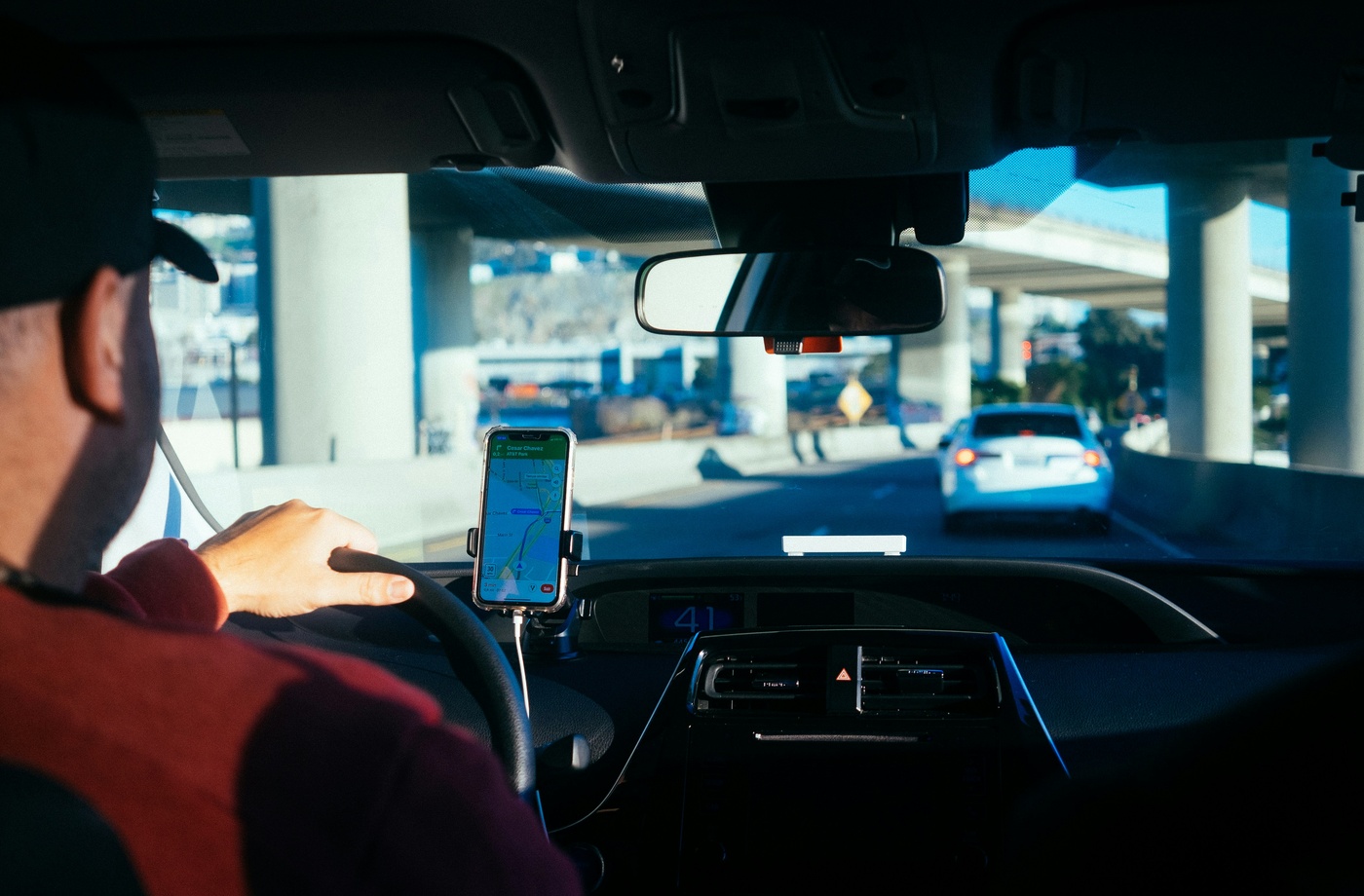
Late Night Taxi Safety Tips for Solo Riders
Taking a taxi late at night can be a convenient and reliable way to get home safely, especially when public transit is limited or walking isn’t a safe option. But solo rides—particularly after dark—come with their own set of safety considerations. Whether you’re leaving a night class, finishing a shift, or returning from a social event, it’s important to stay alert and prepared.
Here are essential taxi safety tips for solo riders traveling at night.
- Always use official taxis or trusted apps
Avoid getting into unmarked or unofficial vehicles, even if someone claims to be a taxi driver. Always choose a clearly marked cab or use a well-known app like Uber, Lyft, Curb, or Flywheel. These platforms verify drivers and offer GPS tracking, which adds a layer of security to your trip.
In cities with heavy taxi traffic, you can also find approved taxi stands—often monitored by airport or venue staff.
- Share your ride details with someone you trust
When riding alone, let someone know where you’re going and how you’re getting there. If using an app-based service, share your ride status or ETA directly through the app. Most services offer real-time tracking and the ability to send your route to a contact.
Even in traditional taxis, a quick text with the cab number and estimated arrival time can be a simple but effective safeguard.
- Sit in the back seat
Solo riders should always sit in the back, ideally behind the front passenger seat. This provides both personal space and an easier exit if needed. It also keeps you out of reach from the driver and gives you better visibility of your surroundings.
- Confirm your driver and destination
Before entering an app-hailed car, double-check that the license plate and driver name match what’s shown in your app. Don’t get in if anything feels off.
In traditional taxis, clearly state your destination before the ride begins and ask if they accept your preferred form of payment (cash, card, or mobile wallet) to avoid issues at drop-off.
- Keep personal items secure and accessible
Hold your phone, wallet, and keys in your lap or on your person instead of placing them on the seat beside you. This prevents accidental loss and ensures you can exit quickly if needed.
You can also enable emergency features on your phone, such as:
- Emergency SOS on iPhone (Apple Support)
- Safety check on Android (Android Help)
- Be cautious about conversations
It’s okay to engage in polite conversation, but avoid disclosing personal information such as where you live, work, or whether you live alone. If you feel uncomfortable, keep responses brief and non-specific.
- Trust your instincts
If something feels off—whether it’s the driver’s behavior, the route taken, or anything else—don’t hesitate to end the ride early, contact a friend, or notify the taxi company. In app-based services, use the built-in safety features to report issues immediately.
- Use apps with emergency support tools
Rideshare platforms like Uber and Lyft have in-app safety features that allow you to quickly call 911, share trip status, or access an emergency line. Tapping into these tools can make a difference in critical situations.
- Avoid paying with cash if possible
Using cards or mobile payments adds a layer of traceability to your ride. It also eliminates the need to pull out a wallet at the end of the trip, which can be distracting or draw unnecessary attention.
- Stay alert and aware
Even if you’re tired after a long day, stay attentive. Avoid falling asleep or becoming too absorbed in your phone. Knowing when you’re near your drop-off helps you exit safely and prevents missed stops.
Conclusion
A solo taxi ride at night can be safe and stress-free with the right precautions. By using official services, staying aware of your surroundings, and using technology to your advantage, you can get where you need to go with peace of mind. Safety should always be your priority—especially when riding alone after hours.